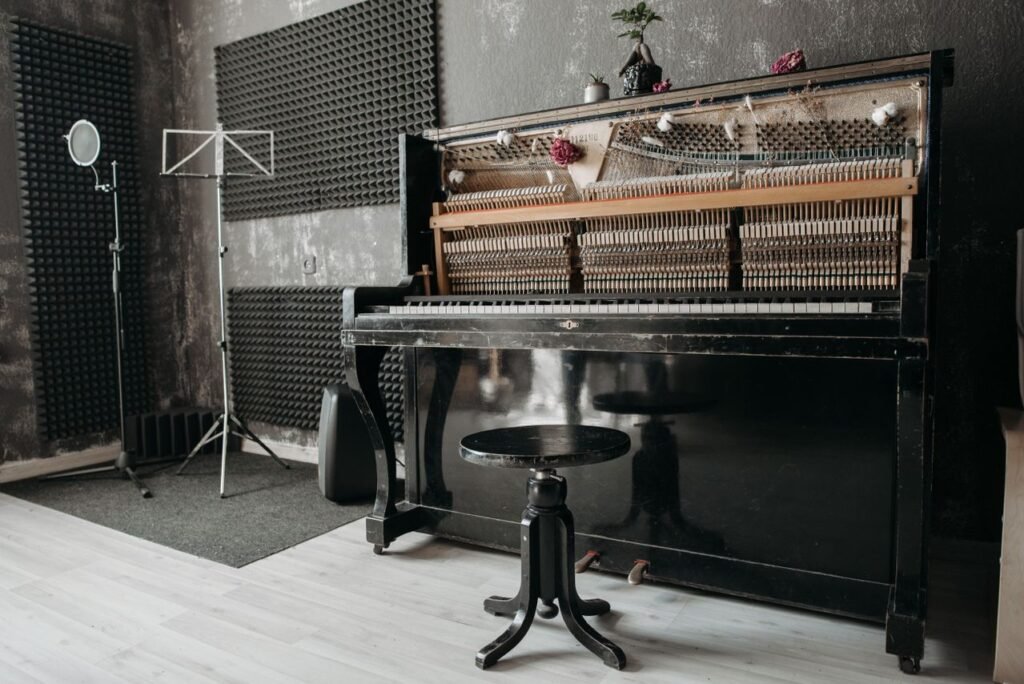
Soundproofing a room doesn’t require thousands of dollars in construction or tearing down walls. Whether you are setting up a home studio, trying to sleep through street traffic, or preventing sound from leaking into adjacent bedrooms, effective soundproofing comes down to understanding two core principles: sealing air gaps and adding dense mass.
Here is a practical, step-by-step strategy to block and absorb unwanted noise using affordable, accessible materials.
Understanding Soundproofing vs. Sound Absorption
Before spending any money, it helps to distinguish between these two concepts:
-
Soundproofing (Blocking Noise): Stops sound from entering or leaving a space. This requires adding heavy, dense mass to walls or completely sealing gaps where air flows.
-
Sound Absorption (Echo Control): Reduces echoes and reverberation inside the room (e.g., using foam panels or rugs). While it makes a room sound better internally, it does not stop outside street noise from coming in.
1. Seal Air Gaps (The Highest ROI Fix)
Sound behaves like water: if air can pass through a crack, sound will travel right along with it. Sealing these gaps provides the biggest improvement for the lowest cost.
Doors
Standard interior doors are often hollow-core, leaving significant gaps around the edges and bottom.
-
Apply High-Density Weatherstripping: Peel-and-stick foam or rubber weatherstripping along the door jamb creates a tight seal when closed.
-
Install a Door Draft Stopper: Attach a rubber or silicone draft stopper to the bottom of the door, or use a slip-on twin door draft snake to block the gap beneath the frame.
Windows & Outlets
-
Acoustic Caulk / Green Glue: Seal cracks around window frames, baseboards, and wall outlets using acoustic caulk, which remains flexible over time without cracking.
-
Foam Gaskets for Outlets: Electrical outlets on shared walls act as open channels for sound. Installing inexpensive foam gaskets behind outlet faceplates cuts down on air leakage.
2. Fortify Windows and Doors
Glass windows and thin doors are primary weak points for incoming noise.
| Solution | Budget Level | Effectiveness | Primary Benefit |
| Noise-Canceling / Thermal Curtains | Low ($20–$50) | Moderate | Absorbs high-frequency noise & blocks light |
| DIY Window Plug (MDF + Foam) | Mid ($30–$60) | High | Completely blocks window sound leakage |
| Heavy Moving Blankets | Low ($15–$30) | Moderate | Quick, temporary barrier over doors/walls |
-
Hang Heavy Thermal / Noise-Reducing Curtains: Look for dense, multi-layered velvet or specialized acoustic drapes. Install the curtain rod higher and wider than the window frame for maximum coverage.
-
Build a Removable Window Plug: For severe street noise, cut a piece of Medium-Density Fiberboard (MDF) to fit your window frame tightly, attach acoustic foam or mass-loaded vinyl to one side, and add handles. Pop it into place when you need complete silence.
3. Add Mass and Dampening to Walls
Heavy, dense materials reflect and absorb sound vibrations before they pass through walls.
-
Rearrange Heavy Furniture: Place large, solid furniture against shared walls. A fully packed bookshelf, heavy wooden wardrobe, or dressers add significant mass to cut down sound transmission.
-
Hang Moving Blankets or Thick Tapestries: Quilted fiberglass or heavy-duty padded furniture moving blankets can be hung using heavy-duty hooks or French cleats to cover thin drywall.
-
Decouple with Wall Art: Canvases filled with dense acoustic cotton or towels wrapped in fabric can serve as decorative absorption panels.
4. Treat Floors and Ceilings
Hard surfaces like hardwood, tile, or laminate reflect sound and amplify footsteps and impact noise.
-
Layer Thick Rugs with Heavy Pads: Cover exposed floor areas with dense wool or shag rugs. Place a high-density carpet pad (rubber or felt) underneath to maximize sound dampening.
-
Floor Mats for Gym or Studio Gear: Use thick interlocking EVA foam tiles under speakers, subwoofers, or workout equipment to isolate structural vibration.
-
Isolate Speakers from Furniture: Place rubber isolation pads or foam wedges underneath desktop speakers to keep vibrations from transferring directly into your desk or floor.