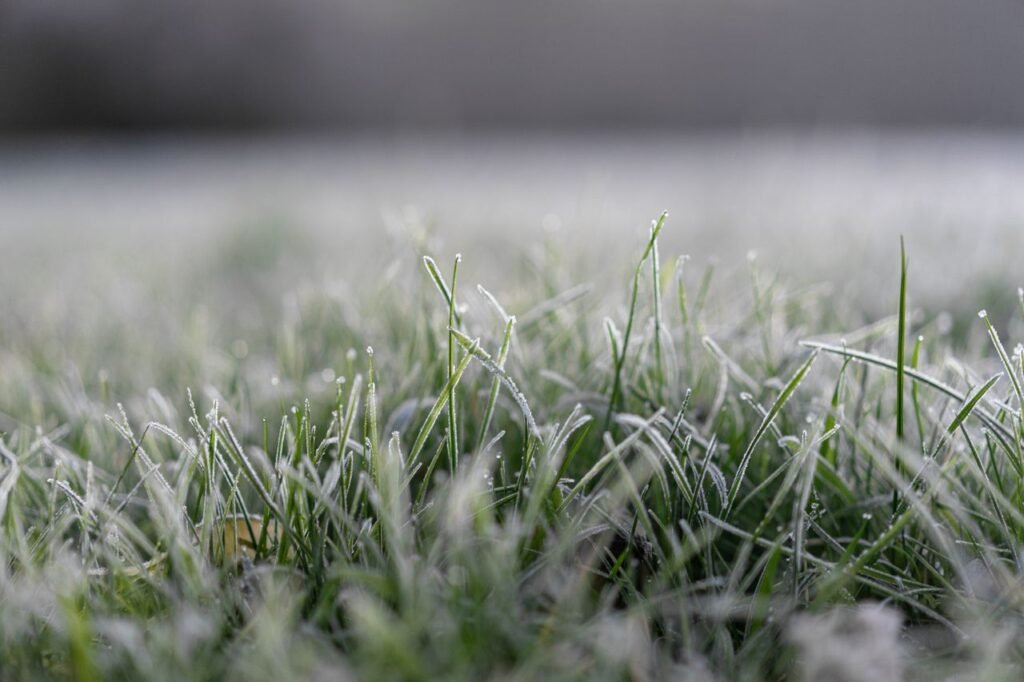
Preparing your lawn for winter is essential for protecting the grass from harsh freezing temperatures, snow mold, and root damage. Taking the right steps during late summer and autumn ensures your turf emerges green, thick, and healthy come spring.
1. Clean and Rake debris
Fallen leaves and debris trap moisture against the turf, blocking sunlight and air circulation. Left uncleaned, wet leaf piles create an ideal environment for turf diseases such as snow mold.
-
Rake or mulch leaves: Light coverings can be ground up with a mulching mower to add natural organic matter back into the soil. Heavy leaf layers should be raked and removed.
-
Remove obstacles: Store outdoor furniture, toys, garden hoses, and heavy yard decor so they don’t smother grass patches during dormancy.
2. Aerate the Soil
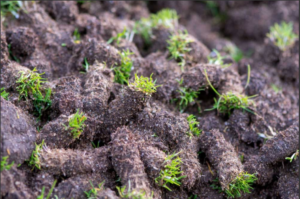
Foot traffic and summer activity cause soil compaction, preventing air, water, and nutrients from reaching deep into the root system.
-
Use a core aerator (which pulls small plugs of soil out of the lawn) in early-to-mid autumn for cool-season grasses.
-
Aeration allows oxygen and fertilizers to penetrate deep into the root zone before the ground freezes solid.
3. Overseed and Patch Bare Spots
Autumn is the ideal time to seed cool-season lawns because the soil is still warm, weeds compete less, and cool nights promote germination.
-
Apply grass seed: Spread a high-quality seed mix across thin or bare areas right after aerating.
-
Keep moist: Water lightly and frequently until newly germinated grass becomes established before the first hard frost.
4. Feed with a Winterizer Fertilizer
Applying a late-fall fertilizer (often labeled as a “winterizer”) strengthens the root system and stores carbohydrates for early spring growth.
| Grass Type | Best Time to Fertilize | Recommended Nitrogen Ratio |
| Cool-Season Grasses (Kentucky Bluegrass, Fescue, Ryegrass) | Late October to November (before ground freezes) | High-nitrogen, quick-release formula to build root reserves |
| Warm-Season Grasses (Bermuda, Zoysia, St. Augustine) | Early Autumn (late August to September) | Low-nitrogen, higher-potassium formula to enhance cold hardiness |
5. Adjust Your Mowing Height
In the final weeks of the growing season, gradually lower your mower blade setting:
-
Lower the cut: Cut cool-season grass to roughly 2 to 2.5 inches on your final mow.
-
Avoid cutting too short: Scalping the lawn exposes the crowns of the grass to severe winter cold.
-
Prevent snow mold: Leaving grass too long causes blades to mat down under heavy snowpack, which encourages fungal diseases.
6. Winterize Irrigation and Lawn Equipment
Before freezing temperatures set in, properly winterize your watering system and tools:
-
Drain sprinkler systems: Blow out underground lines with air to prevent frozen pipes from bursting.
-
Disconnect hoses: Drain and store hoses indoors to protect hose bibs from freezing.
-
Mower maintenance: Drain leftover gasoline or add fuel stabilizer, replace the oil, clean the underside of the deck, and sharpen blades so they are ready for spring.