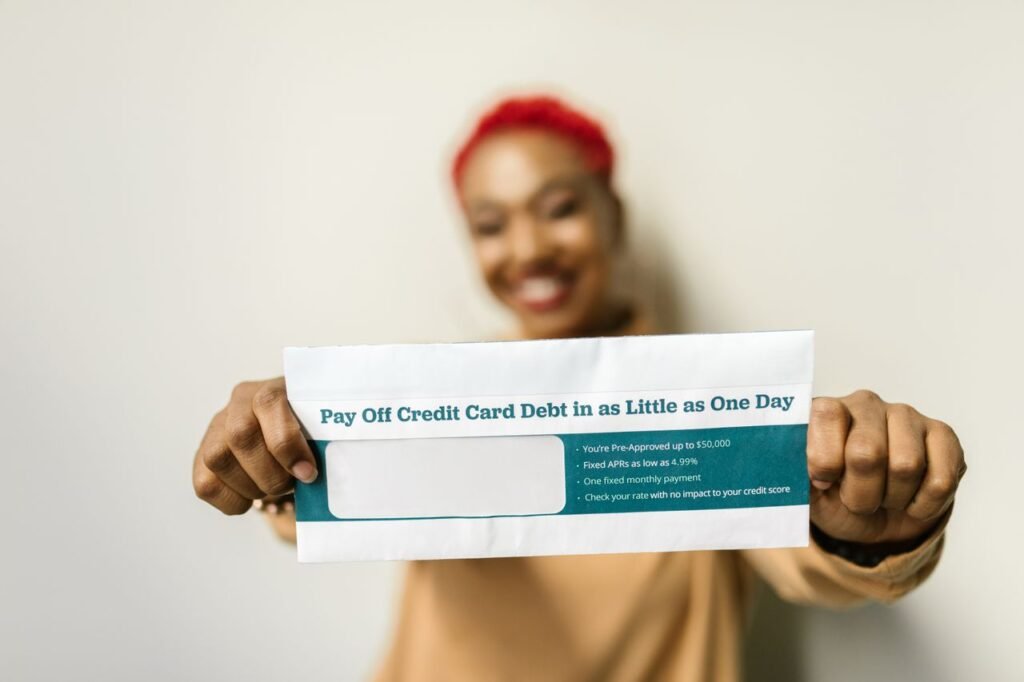
High-interest credit card debt can quickly compound, turning manageable balances into long-term financial strain. Because credit card interest rates (APRs) frequently range between 18% and 36%, making only minimum monthly payments can keep you trapped in debt for decades while costing thousands in interest.
Eliminating credit card debt efficiently requires a structured strategy, disciplined execution, and selecting an acceleration method that aligns with your financial psychological drivers.

1. Assess Your Total Debt Landscape
Before choosing a debt payoff strategy, gain complete visibility into what you owe. Compile a comprehensive list of all active credit card balances:
-
Card Name / Issuer
-
Current Total Balance Owed
-
Annual Percentage Rate (APR / Interest Rate)
-
Minimum Monthly Payment Amount
Summing up your minimum monthly payments establishes your absolute baseline debt overhead. Every dollar available beyond this baseline will be directed toward eliminating individual balances one by one.
2. The Two Proven Acceleration Strategies
To pay off debt rapidly, pick one of two core strategies for allocating extra funds:
                          Extra Monthly Debt Funds
                                     │
         ┌───────────────────────────┴───────────────────────────┐
         ▼                                                       ▼
  Debt Avalanche Strategy                               Debt Snowball Strategy
(Prioritizes Highest Interest APR)                     (Prioritizes Lowest Balance)
         │                                                       │
         ├─ Saves maximum money in interest                      ├─ Builds fast psychological momentum
         └─ Mathematically fastest route                         └─ Quick early wins build discipline
Method 1: The Debt Avalanche (Mathematically Superior)
Under the Avalanche method, you order your credit cards by interest rate (APR) from highest to lowest, regardless of balance size.
-
Best For: Individuals driven by logic and math who want to minimize total interest paid and eliminate debt in the shortest calendar time.
Method 2: The Debt Snowball (Psychologically Motivating)
Under the Snowball method, you order your credit cards by total balance from smallest to largest, regardless of interest rates.
-
Target all extra cash at the card with the smallest balance until it is paid off completely.
-
Why It Works: Clearing an entire balance within 30 to 60 days provides an immediate psychological win, boosting confidence and maintaining momentum to stick to your long-term plan.
-
Best For: Individuals who benefit from quick wins to stay motivated and disciplined throughout their financial journey.
3. Advanced Tactics to Accelerate Payoff
To speed up your debt payoff timeline beyond basic monthly budgeting, consider these high-impact financial moves:
| Tactic | How It Works | Key Risk / Caution |
| 0% APR Balance Transfer Card | Move existing high-interest debt to a new card offering a 0% introductory APR for 12–21 months. | Watch for 3–5% transfer fees; ensure you can pay off the full balance before the promo period ends and high rates kick back in. |
| Low-Interest Debt Consolidation Loan | Take out a fixed-rate personal loan at a lower APR to pay off multiple credit cards instantly, consolidating into a single monthly payment. | Requires decent credit scores; avoid running up new balances on the cleared credit cards. |
| Negotiate Lower Rates Directly | Call your credit card issuers, mention your loyalty or hardship, and request a temporary APR reduction or entry into a hardship program. | Success varies, but it costs nothing to ask and can instantly reduce monthly interest accumulation. |
4. Habits to Prevent Re-Accumulating Debt
Paying off your balances is only half the battle—keeping them at zero requires changing your daily financial habits:
-
Build a $1,000 Starter Emergency Fund: Having cash set aside for unexpected car repairs or medical bills prevents you from reaching for credit cards during a crisis.
-
Remove Cards from Digital Wallets: Unlink credit card details from online shopping platforms, food delivery apps, and web browsers to eliminate friction-free impulse spending.
-
Switch to a Cash-Based or Debit System: Pause credit card usage entirely while paying down debt. Use cash or a debit card so you only spend money currently sitting in your bank account.
By selecting either the Debt Avalanche or Debt Snowball strategy and committing extra funds consistently, you can eliminate high-interest debt and regain full control over your financial future.