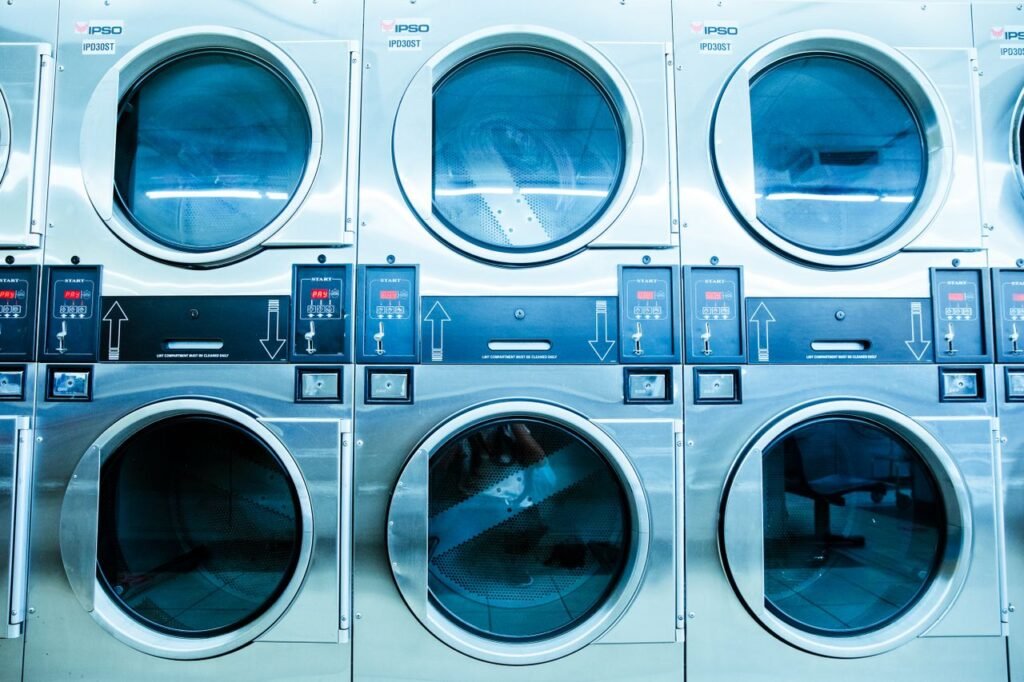
Over time, washing machines accumulate detergent scum, fabric softener residue, body oils, and hard water minerals. Left untreated, this damp environment becomes a breeding ground for mold, mildew, and persistent musty odors that transfer directly onto your clean laundry.
Deep cleaning your washing machine once every 1 to 3 months ensures optimal washing performance, prevents costly mechanical breakdowns, and keeps your clothes smelling fresh.
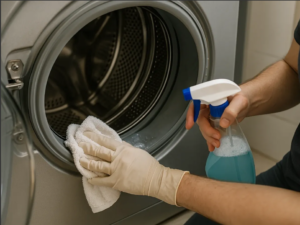
1. Essential Cleaning Supplies Needed
-
White Vinegar or Specialty Washing Machine Cleaner: Breaks down soap scum, mineral deposits, and limescale.
-
Baking Soda: Acts as a mild abrasive and natural deodorizer.
-
Microfiber Cloths & Soft Toothbrush: For scrubbing tight crevices, seals, and dispensers.
-
Drain Catch Tray or Towel: To catch excess water when draining the drain pump filter.
2. Step-by-Step Deep Cleaning Process
3. Front-Load vs. Top-Load Cleaning Differences
| Machine Type | Key Problem Areas | Specialized Cleaning Tip |
| Front-Loading | Rubber door gasket, door glass, drain pump filter | Leave the door cracked open after every wash cycle to allow air circulation and prevent mold growth. |
| Top-Loading | Agitator base, rim lip under top rim, tub interior | Pause the hot clean cycle midway for 30–60 minutes to let the cleaning solution soak the tub walls thoroughly. |
4. Maintenance Habits to Prevent Odors
-
Leave the Door/Lid Ajar: Always leave the washing machine door slightly open when not in use to allow moisture to evaporate completely.
-
Use HE (High-Efficiency) Detergent Correctly: Avoid over-using liquid detergent or fabric softeners, as excess residue leaves a sticky film inside the outer tub that catches dirt and bacteria.
-
Wipe Down Seals Regularly: Give the rubber gasket a quick 10-second wipe with a dry cloth after completing your last load of the day.